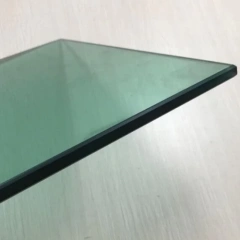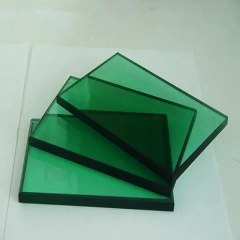
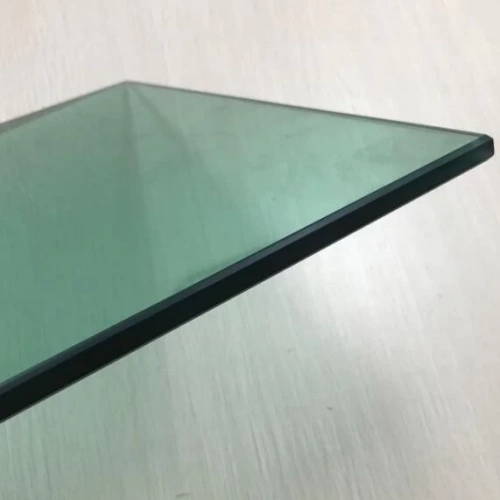
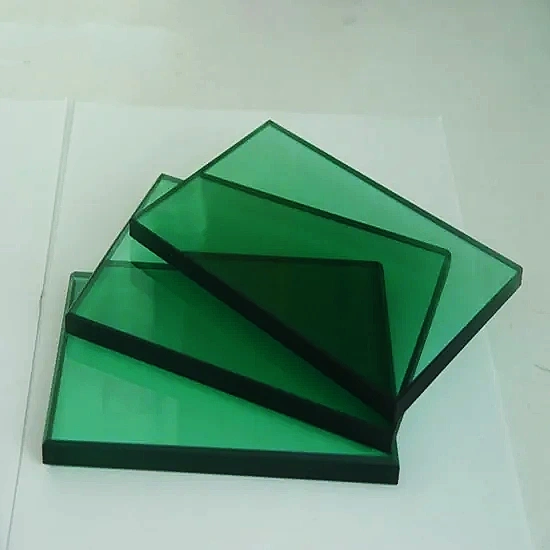
| Green Tempered Glass | |
| Thick | 4mm,5mm,6mm ,8mm ,10mm,12mm |
| Edge processing | Seamed Edge ,Flat edge and Polished |
| Standard | CE EN 12150-2:2004 |
| | ANSI Z97.1-2015(R2020) |
| | CAN/CGSB-12.1-2022 |
| | CPSC 16 CFR 1201-2024 |
| Min Size | 100mm*100mm |
| Max Size | 3660mm*2440mm |
| Port of Loading | Xingang port |
| Package | Plywood Crates,A-Steel Rack etc |
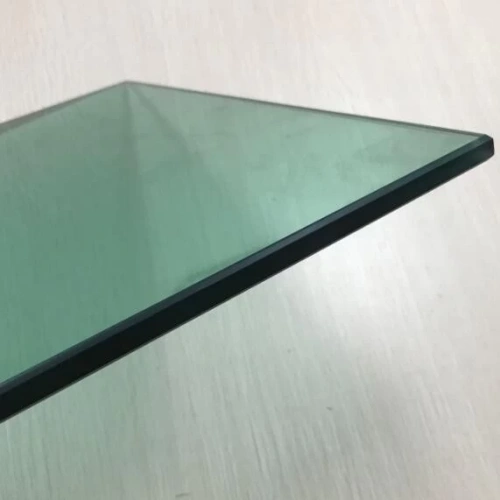
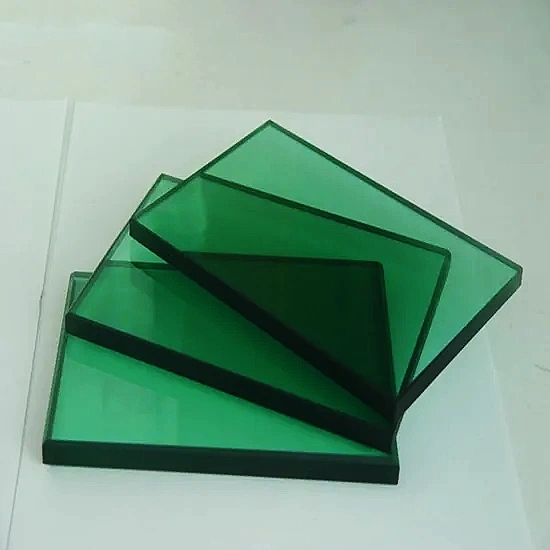
Green tempered glass, often characterized by its distinct green tint, is widely used in various applications due to its combination of aesthetic appeal, strength, and energy efficiency. Here are some common applications for green tempered glass:
Green tempered glass is valued for its strength, aesthetic appeal, and versatility, making it suitable for a wide range of applications in architecture, furniture, automotive, and more. If you would like to explore a specific application in more detail or need assistance with anything else, feel free to ask!
Green tempered glass made to order: the panels are cut to your schedule, edged to your drawing and packed for the trip. One tint runs through the whole range, so a distributor, a glazing contractor, a shopfitter or a furniture maker can order a reception screen, an office front and the shelf panels behind it from the same source. Every panel is inspected before it is packed.
| Specification | Detail |
|---|---|
| Product code | LYD-GTG |
| Glass type | Tempered safety glass |
| Tint | Green |
| Base glass | Float glass |
| Fabrication | Cut to size and shape to your drawing |
| Safety standards | CE EN 12150-2:2004, ANSI Z97.1-2015 (R2020), CAN/CGSB-12.1-2022, CPSC 16 CFR 1201-2024 |
Edges are where a glass panel shows its quality. A seamed edge is lightly ground to take the sharp arris off the cut, and it suits panels held in gaskets, clamps or timber rebates where the edge stays hidden. A flat edge is ground square and true, which holds a clean line where two panels butt together or a metal shoe clamps the glass. A polished edge takes that further and clears the face so the edge reads as glass rather than as a cut — the finish to specify for doors, lobby screens, table tops, shelves and the open side of a shower screen. All of this work, together with any holes, notches or cut-outs, is completed before the panels enter the furnace, because tempered glass cannot be cut, drilled or re-edged afterwards. As a tempered glass manufacturer we work the profile to your drawing rather than to a stock size.
LYD GLASS supplies architectural glass to project and wholesale buyers, covering tempered, laminated, mirror, insulated and decorative glass from one source. Our tempered range runs from 3 mm to 19 mm in clear, ultra-clear low-iron, green and bronze/brown, with seamed, round, flat or polished edges produced to your drawings and sheet sizes up to 3660 mm x 2440 mm. Production follows CE EN 12150-2:2004, ANSI Z97.1-2015(R2020), CAN/CGSB-12.1-2022 and CPSC 16 CFR 1201-2024, and orders ship from Xingang in plywood crates or A-steel racks.
The span, the fixings and how exposed the panel is decide that: the lightest sheets in the range suit cabinet doors, small shelves and shop display work, the middle gauges are the usual choice for partitions, table tops and shopfront panels, and the heaviest two cover large panels, doors and balustrades. Send the opening size and the fixing details and we will confirm the thickness before production starts. Where a panel will be leaned on or handled by the public, tell us and we will build in the extra rigidity.
Panels cut from the same run match closely, so keep everything that will sit side by side in one order; a thicker panel also reads slightly deeper in tone than a thin one, which is worth checking when a single elevation mixes gauges. For a repeat order, quote the original drawing and thickness so the colour, the edge finish and the drill positions stay the same. Staying with the same tempered glass supplier is the simplest way to avoid a second tint appearing on the job.
Tempered glass is heat-treated, so it releases into small, blunt-edged fragments rather than long shards, which is why it is specified for doors, shower screens and balustrades. A broken panel cannot be repaired, so it is replaced as a complete panel, and the original drawing is what makes the replacement match the tint, thickness and edge finish of the others. Keep the drawing reference with the installation records so a later panel can be reproduced the same way.
Warm water with a mild detergent and a soft cloth or squeegee is enough, and the tint itself needs no special treatment. Avoid abrasive powders, steel wool and razor scrapers, which leave fine scratches that catch the light, and keep frame channels and gaskets clear of grit so nothing rubs against the edge. Check the edges for chips when you clean, since a chipped edge is a replacement point rather than a repair point.
Yes — edges are worked and holes are drilled before the panels go into the furnace, so a batch of polished door panels and seamed shelf panels can be produced together in one run. Panels that will be installed as one continuous surface should be kept to the same thickness and the same drawing. If a job is split across two deliveries, quote the original drawing for both, and remember that these are custom made tempered glass panels rather than stock sizes.
Yes — this glass is produced to the recognised EU, American and Canadian tempered safety glass standards, which cover the safety glazing requirements most projects are checked against. Tell us which market the panels are going to and we will confirm the standard that applies before production starts. As a tempered glass manufacturer we can also supply a certificate of analysis or conformance, insurance and origin documents with the order where the project needs them.