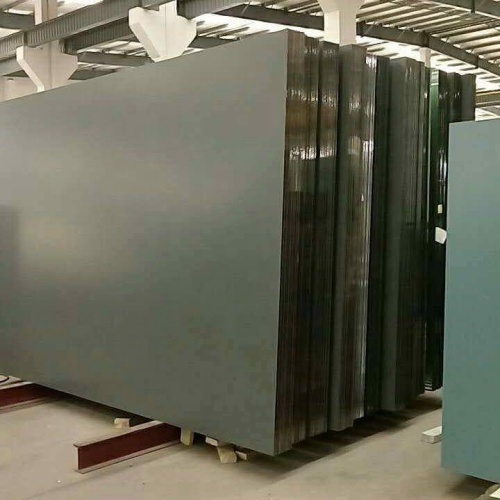
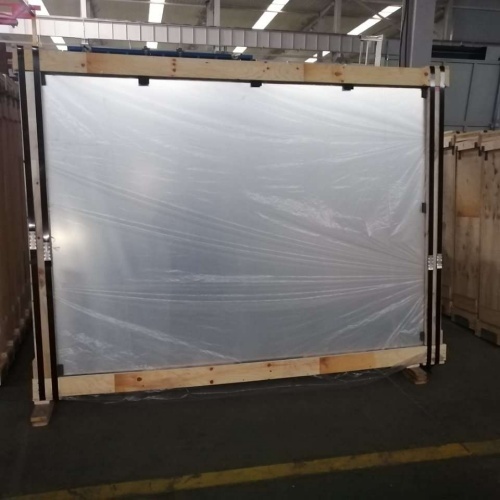
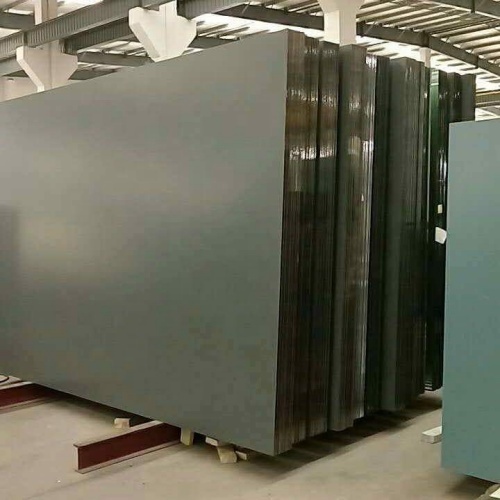
| Silver Mirror Glass | |
| Glass thick | 3mm,4mm,5mm,6mm,8mm,10mm,12mm |
| Edge processing | Seamed Edge, Round edge ,Flat edge |
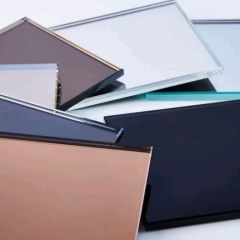
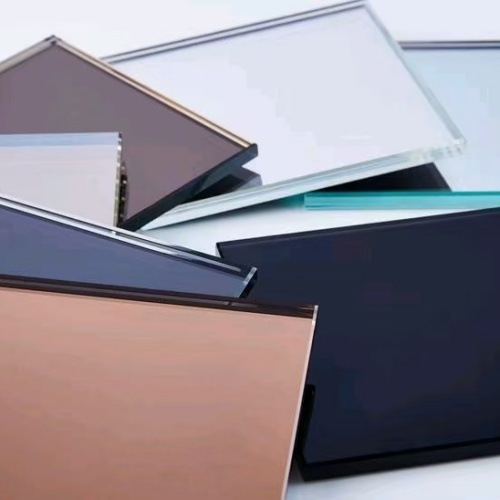
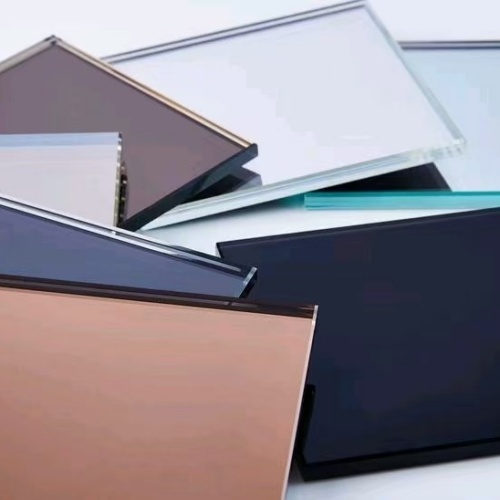
| Color | Clear ,Black ,Bronze ,Grey,Dark grey etc |
| Mirror back paint | Italian FENZI paint |
| Min Size | 300mm*300mm |
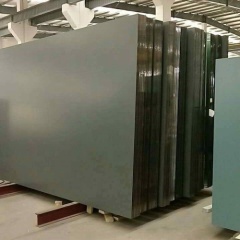
| Max Size | 3660mm*2440mm |
| Port of Loading | Xingang port |
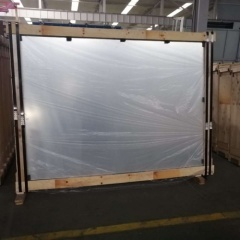
| Package | Plywood Crates |
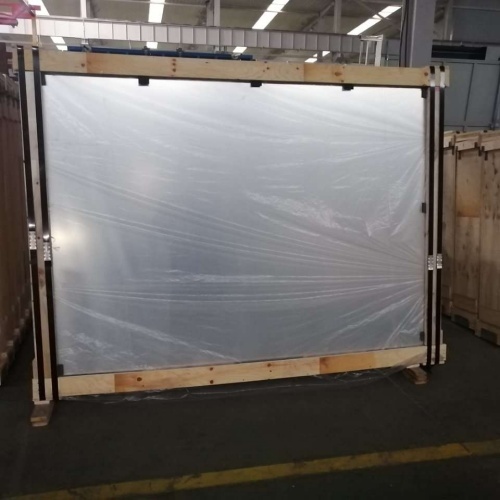
Silver mirror glass is plate glass with a thin layer of metallic silver bonded to its back. The sheet is cleaned, a silvering solution is applied to build the reflective layer, protective coats go over it, and the back is sealed with Italian FENZI paint. The face you look into is plain glass; the layers behind it are what keep the reflection bright and even over the years. How the coating is built. The silver film itself is only a few microns thick, so everything behind it exists to protect it. The protective coats buffer the silver from the adhesive and from what happens at the cut edge, and the FENZI backing carries the real load in service — it is chosen for resistance to moisture and to the sulphur compounds in the air that turn bare silver brown. In a bathroom, a lobby or a coastal building, that backing does more for the panel's life than the glass does. What that means on site. Because the coating sits on the back, the front is a plain glass surface that takes normal cleaning without special handling. The perimeter is the vulnerable part: cutting exposes the coating, and that is usually where tarnish starts. Tell us how a panel will be fixed and we will flag whether the edge needs sealing before installation. Who it is for. We produce this mirror as a mirror glass manufacturer for architects, fabricators, joiners, shopfitters and project buyers working with custom glass mirrors rather than shelf sizes. Panels arrive cut to drawing and edged to profile, ready to fit. It is the standard reflective option in our mirror range, supplied alongside copper-free and safety-backed mirrors where a project calls for a different specification, so a mirror package can be sourced in one place rather than split across suppliers. Its high reflectivity and clarity make it a preferred choice for mirrors and decorative elements, while proper care and cleaning are essential to maintain its appearance and longevity. If you have specific questions about silver mirror glass or its applications, feel free to ask. The reflective layer on a plate glass mirror is delicate enough that the whole back build exists to keep it intact. Over the silver we apply protective coats, and the back is then sealed with Italian FENZI paint, chosen because it holds up against moisture and against the sulphur compounds in the air that turn an exposed silver film brown from the edges inward. The glass is the wear surface. Everyday contact, fingerprints and cleaning all happen on the front face, which is plain glass and will not stain the way an unprotected coating would. Scratch and stain resistance depend on that face being left alone — an abrasive pad marks glass permanently, and no polish brings it back. Cut edges are the weak point. Cutting opens the coating at the perimeter, which is exactly where tarnish normally begins. Tell us how the panel will be fixed — framed, clamped, bonded or butted into a rebate — and we will advise whether the edges should be sealed on site before the mirror goes up. Handling before installation. Mirror is carried on edge and never dragged face-down; grit trapped between two panels scratches both. Keep panels in the crate until the room is ready, stand them vertically rather than stacking them flat, and keep the protective interleave on until the last moment. Humidity. FENZI backing raises tolerance to damp conditions but does not make the mirror waterproof. In a bathroom, pool hall or coastal building, ventilation behind and around the panel buys more years of service than any coating can.
| Silver mirror glass | Plate glass mirror with silver coating and Italian FENZI back paint |
| Glass thickness | 3 mm, 4 mm, 5 mm, 6 mm, 8 mm, 10 mm, 12 mm |
| Colour | Clear, black, bronze, grey, dark grey and more |
| Edge processing | Seamed Edge, Round edge ,Flat edge |
| Mirror back paint | Italian FENZI paint |
| Min size | 300mm*300mm |
| Max size | 3660mm*2440mm |
| Port of loading | Xingang port |
| Package | Plywood Crates |
Most orders start with a drawing. Send the panel sizes, thickness, colour, edge profile, quantity and your destination, and our sales team will come back with a quotation and a loading plan built around them. As a mirror glass manufacturer we also produce tempered, laminated and insulated glass, so a mixed project package can be crated and shipped together instead of arriving from three different suppliers on three different dates.
Panels are supplied in plywood crates or A-Steel racks, interleaved and corner-protected, and prepared with export packing for sea freight. The crate layout is planned against the container so the load stays stable and sheets never touch in transit. That planning matters more for mirror than for plain glass: a scratched panel cannot be polished back, and a remake costs a full ocean cycle.
Lead time, deposit and balance terms, and the export documents your broker needs are confirmed with your sales contact against the approved drawing. Production begins once the deposit is received and the drawing is signed off, so both steps are worth closing quickly. If your project has a fixed delivery window, say so at enquiry stage and the schedule will be built around it rather than discovered later.
LYD GLASS manufactures and exports glass for project buyers, fabricators and contractors who prefer to buy direct from a production source. Everything we supply is made to order: send drawings, sizes, quantities and finishing requirements, and we return a factory quotation against them. Panels are packed for export in plywood crates or A-Steel racks and protected for sea freight. We work to your delivery schedule, support repeat orders and answer specification questions before production starts. Send your requirements for a quote.
The difference is the metal behind the glass. Silver returns noticeably more light and keeps the reflection neutral rather than picking up a warm cast, which is why it suits interiors where the mirror has to work with the lighting scheme. Aluminium-backed mirror is the more economical choice and still earns its place on large surfaces where a slightly softer reflection is acceptable. As a mirror glass manufacturer we produce both, so we can tell you plainly which one your project actually needs.
For a wall-mounted interior panel, the mid-range thicknesses in the specification cover most bathroom, wardrobe and living-space work. Move to the heavier end of the range when the panel is tall, when the edge is exposed and needs to read solid, or when the mirror fills a lift interior or a full-height wall. Heavier sheet is also heavier to handle and asks more of the fixing, so settle the substrate and frame before you go up a thickness. On many walls one large glass mirror is a better answer than two thinner panels and a visible seam.
Yes. Panels are cut and edged to your dimensions, including circular, arched and free-form profiles, and holes or cut-outs are produced before the mirror is protected and crated. Complex shapes are easiest to work from a DXF or a dimensioned sketch. Custom glass mirrors are made to order rather than pulled from stock, so the drawing, not a catalogue size, is where every panel starts.
Give the panel air. Condensation does the damage when it sits, so ventilation behind and around the glass is worth more than any coating. Avoid mounting on an external wall that swings between hot and cold, and keep the mirror clear of radiators, hobs and the direct line of a shower head. Every plate glass mirror we supply carries FENZI back paint to slow moisture attack, but it slows the process rather than stopping it.
Start at the cut edges. A brown or black line just inside the perimeter is the usual first sign, because that is where the coating is exposed to air. Cloudy patches or a dark bloom across the silver layer come later, often from the bottom edge or around fixing holes. Caught early, a panel can usually be re-sealed or replaced before the surrounding work is finished; left alone, the edge creeps inward. Put wet-area mirrors on the routine maintenance list rather than waiting until the damage is visible from across the room.