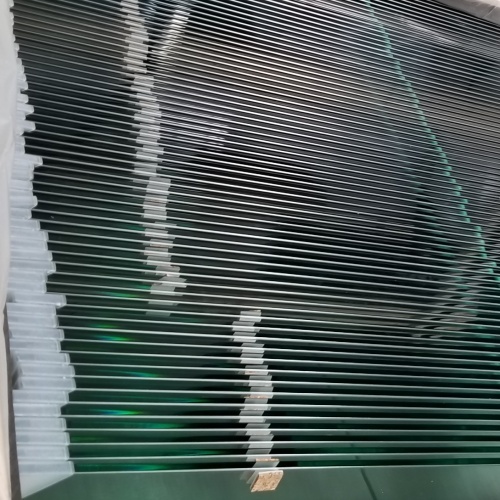
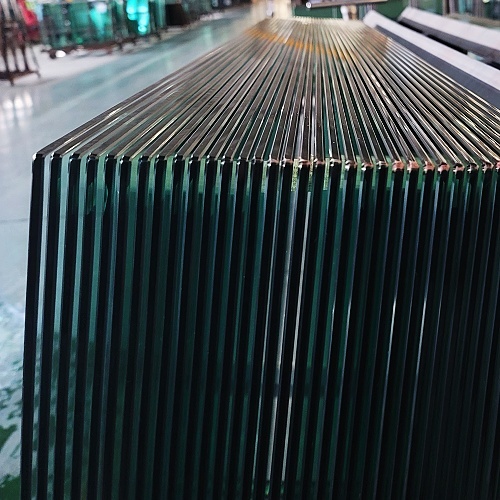
| 5mm Clear Tempered Glass | |
| Thick | 5mm |
| Edge processing | Seamed Edge, Round edge ,Flat edge and Polished |
| Standard | CE EN 12150-2:2004 |
| ANSI Z97.1-2015(R2020) | |
| CAN/CGSB-12.1-2022 | |
| CPSC 16 CFR 1201-2024 | |
| Min Size | 100mm*100mm |
| Max Size | 3660mm*2440mm |
| Port of Loading | Xingang port |
| Package | Plywood Crates,A-Steel Rack etc |
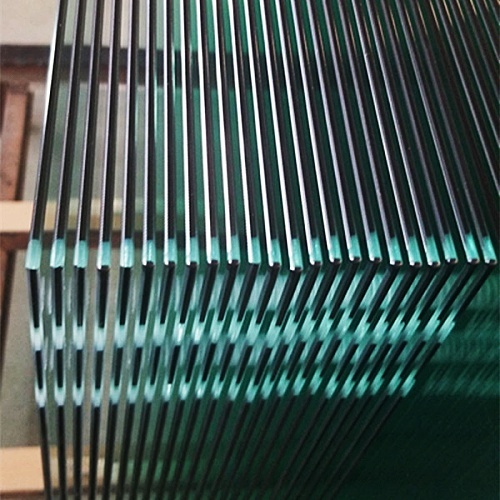
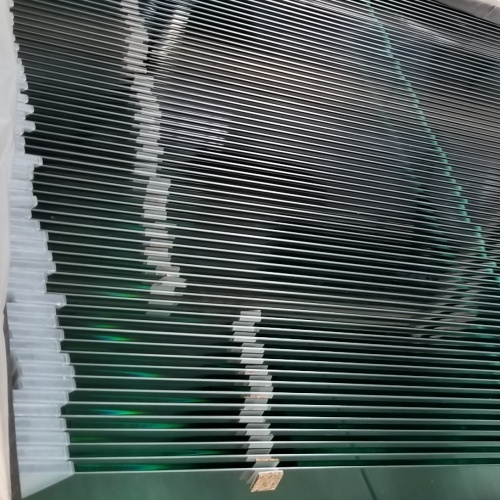
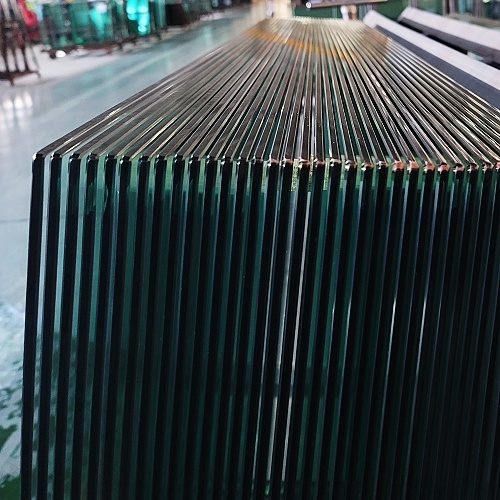
5mm tempered glass is a thinner option in the range of tempered glass thicknesses, making it suitable for specific applications where lightweight and cost-effectiveness are important. Here’s an overview of its characteristics, advantages, applications, and considerations.
Thickness:
Tempering Process:
Safety:
Lightweight:
Cost-Effective:
Versatility:
Aesthetics:
Safety Features:
Display Cases:
Shower Doors:
Furniture:
Partitions:
Mirrors:
Strength Limitations:
Installation:
Custom Cuts:
Thermal Resistance:
5mm tempered glass is a versatile and cost-effective option suitable for various applications where weight and aesthetics are prioritizing factors. It offers the safety benefits of tempered glass while being lighter and often more affordable. If you have specific applications or projects in mind involving 5mm tempered glass, feel free to ask for more detailed advice or further information!
This is the slim end of our clear safety glass range: a fully tempered panel that suits interior glazing, furniture and display work where a light pane and clean sightlines matter more than heavy load capacity. Glaziers, shopfitters and display manufacturers order it as custom tempered glass panels, cut and finished to their drawings before tempering. As a tempered glass supplier we produce it alongside heavier clear, green and bronze options, so a full fit-out can be covered from one source.
| Property | Value |
|---|---|
| Glass type | Clear tempered safety glass |
| Panel format | custom tempered glass panels, cut to your drawing |
| Cut-outs and holes | Water-jet cut to your template |
| Safety standards | CE EN 12150-2:2004, ANSI Z97.1-2015(R2020), CAN/CGSB-12.1-2022, CPSC 16 CFR 1201-2024 |
| Packing | Plywood crates, A-steel racks |
| Model reference | LYD-CTG5 |
Every custom safety glass panel is tempered to final shape, so nothing can be cut, drilled or re-ground after the furnace — the drawing you approve is the panel you receive. This thickness sits at the light-duty end of the range: it handles ordinary interior conditions well, but it is not the right choice for high-impact glazing or load-bearing spans, where an 8 mm, 10 mm or 12 mm panel carries the duty with more margin. Keep hot pans, lamps and candles off the surface, and plan a professional installation for larger panels so the glass sits square in its channel, clamps or hinges without being stressed by the frame.
LYD GLASS supplies architectural glass to project and wholesale buyers, covering tempered, laminated, mirror, insulated and decorative glass from one source. Our tempered range runs from 3 mm to 19 mm in clear, ultra-clear low-iron, green and bronze/brown, with seamed, round, flat or polished edges produced to your drawings and sheet sizes up to 3660 mm x 2440 mm. Production follows CE EN 12150-2:2004, ANSI Z97.1-2015(R2020), CAN/CGSB-12.1-2022 and CPSC 16 CFR 1201-2024, and orders ship from Xingang in plywood crates or A-steel racks.
Yes, for light-duty furniture where the panel is fully supported — a rebate, brackets or a frame rather than one central fixing. Tempered glass table tops in this thickness are common on coffee and side tables, and short shelf spans work well too. Send us the span and the load, and we will confirm whether this panel or a heavier one is the safer choice.
Framed and semi-framed enclosures are a good fit, because the frame carries the leaf and keeps the door light on its hinges and seals. Check the door width and panel weight against the hinge maker's rating before you settle on the thickness. For a wide frameless door, a heavier panel is normally specified so the glass stays rigid on its own.
Match the finish to how exposed the edge will be. An edge held inside a channel or rebate only needs the standard seamed finish, while a shelf front, door edge or table top rim is worth polishing so it feels smooth and reads bright. Tell us the finish you want on each side; a shelf often takes polished front and end edges while the edges hidden in a rebate stay seamed.
Sheltered positions such as a covered balcony screen, porch glazing or an entrance canopy under a roof are workable. Fully exposed facades, balustrades and wind-loaded screens need a thicker specification, because the panel has to resist more than this one is designed for. Tell us where the panel will sit and what it has to resist, and we will confirm whether it suits the exposure.
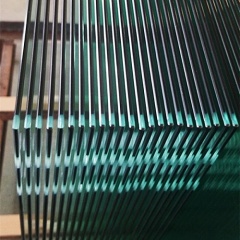
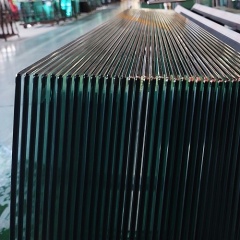
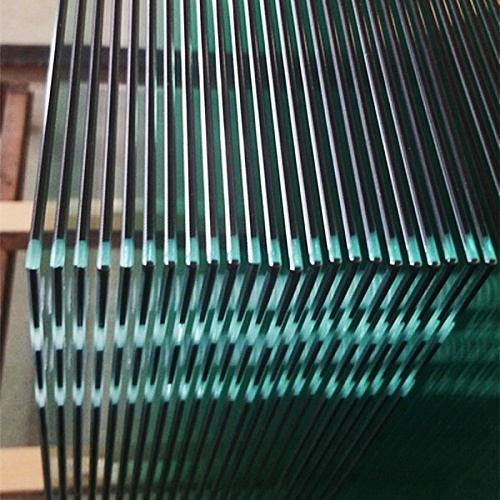
That green tint is normal in clear float glass: iron oxide in the raw material colours the cut edge, and it shows most strongly when a stack of panes is viewed edge-on. The face of the panel stays colourless, so it does not tint what you see through it. If the edge itself has to read water-white, ask about a low-iron panel instead.
Use a soft cloth or squeegee with a mild, non-abrasive glass cleaner, and avoid scouring pads, blades and gritty pastes that can dull the surface or chip an edge. Wipe both faces and the edges dry so water does not sit on the rim. Before installation, store the panels on edge with pads between the sheets rather than flat on the floor.