• 12mm Tempered Glass Doors
  • 12mm Tempered Glass Doors
  • 12mm Tempered Glass Doors
  • 12mm Tempered Glass Doors
  • 12mm Tempered Glass Doors
  • 12mm Tempered Glass Doors

12mm Tempered Glass Doors

No.LYD-CTGD12
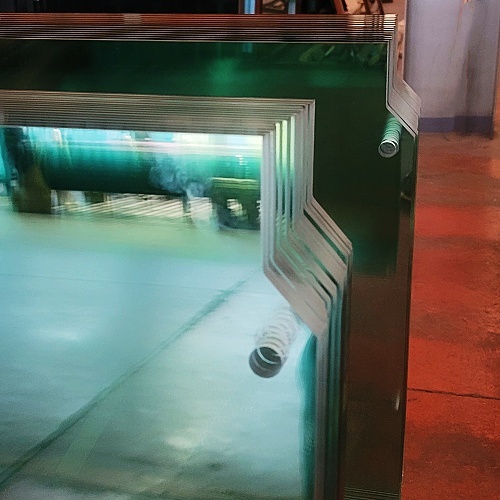
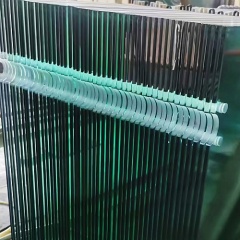
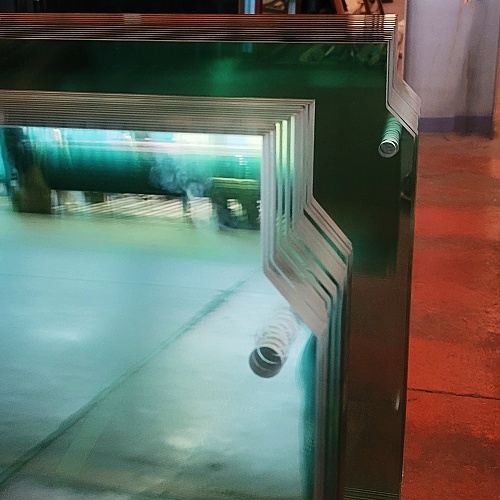
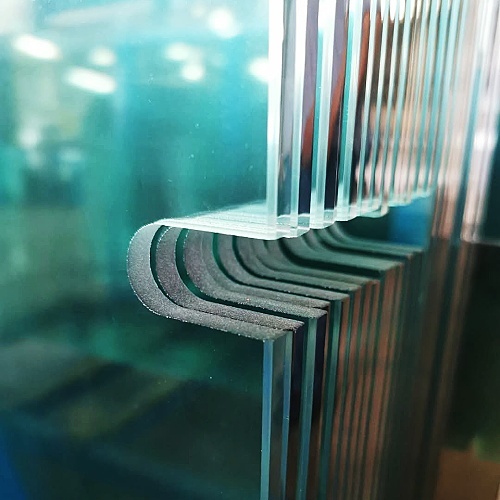
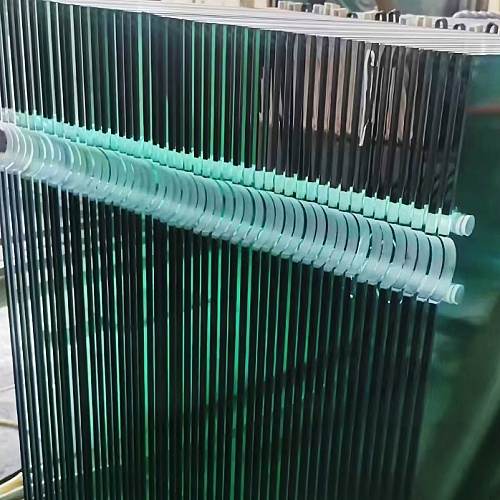
12mm Clear Tempered Glass 
Thick
12mm
Edge processing
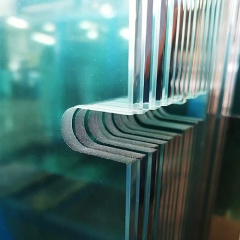
Flat edge and Polished 
Standard
CE EN 12150-2:2004
ANSI Z97.1-2015(R2020)
CAN/CGSB-12.1-2022
CPSC 16 CFR 1201-2024
Min Size 
100mm*100mm
Max Size
3660mm*2440mm
Port of Loading 
Xingang port
Package
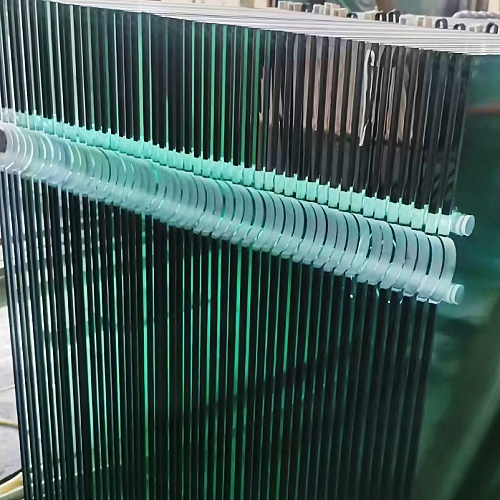
Plywood Crates,A-Steel Rack etc
  • 12mm Tempered Glass Doors
  • 12mm Tempered Glass Doors
  • 12mm Tempered Glass Doors

Description

12mm tempered glass doors are doors made of glass that has been heat-treated to increase its strength and safety, with a thickness of 12 millimeters. These doors are popular in various architectural and design contexts due to their modern appearance and tough characteristics. Here’s an overview of 12mm tempered glass doors, including their benefits, applications, and considerations.

Features of 12mm Tempered Glass Doors

  1. Strength and Durability:

    • The 12mm thickness enhances the door's resilience to impacts, making it less likely to break compared to standard glass doors.
  2. Safety:

    • In the event of breakage, tempered glass shatters into small, blunt pieces rather than sharp shards, reducing the risk of injury. This safety feature is a key advantage in residential and commercial settings.
  3. Thermal Resistance:

    • Tempered glass can withstand significant temperature changes without compromising its integrity, making it suitable for environments with varied temperatures.
  4. Aesthetic Appeal:

    • 12mm tempered glass doors offer a sleek, modern look with the flexibility to customize the finish, such as clear, frosted, or tinted glass.
  5. Minimal Maintenance:

    • The smooth surface is easy to clean and maintain, and it often resists scratches better than other materials.

Benefits of 12mm Tempered Glass Doors

  1. Natural Light:

    • Glass doors allow natural light to flow into spaces, creating an open and inviting atmosphere.
  2. Space Optimization:

    • They can make smaller spaces feel larger and more connected, enhancing both design and functionality.
  3. Versatile Design Options:

    • Can be integrated into various architectural styles and decorated with hardware options like handles and hinges to suit different aesthetics.
  4. Accessibility:

    • Often used in spaces such as showers or entryways where a barrier is needed without sacrificing visibility.
  5. Security:

    • When installed with robust framing and locking systems, tempered glass doors offer solid security features.

Common Applications

  1. Shower Doors:

    • Used in modern bathrooms for shower enclosures, providing safety and a sophisticated appearance.
  2. Interior Doors:

    • Used as interior doors to separate rooms while maintaining visibility and adding elegance to the space.
  3. Exterior Doors:

    • Employed for main entrances, patios, or as part of storefront designs, offering an attractive and functional entry point.
  4. Commercial Spaces:

    • Used in office environments, retail stores, and restaurants to create partitions or storefronts that attract customers.
  5. Closet Doors:

    • Used in wardrobes or closets to add a touch of luxury and visibility of the contents while maintaining a clean look.

Considerations

  1. Cost:

    • 12mm tempered glass doors can be more expensive compared to standard doors, especially when considering hardware and installation.
  2. Installation:

    • Professional installation is typically required to ensure proper fitting and safety, as handling heavy tempered glass can be challenging.
  3. Framing:

    • Glass doors often require suitable framing and support, which should be taken into account during design and construction.
  4. Weight:

    • Due to the thickness, these doors can be quite heavy, necessitating robust hinges and handles for ease of use.

Conclusion

12mm tempered glass doors are a fantastic choice for those looking to combine safety, strength, and aesthetic appeal. They are versatile enough to be used in various settings from residential to commercial spaces. If you have specific combinations, designs, or projects in mind involving tempered glass doors, feel free to share, and I can provide more tailored advice!


Door Panel Specifications

SpecificationDetail
Glass typeClear tempered (toughened) safety glass
AppearanceClear, with a faint green edge tint
Safety standardsCE EN 12150-2:2004; ANSI Z97.1-2015(R2020); CAN/CGSB-12.1-2022; CPSC 16 CFR 1201-2024
Panel buildDoor leaf, side light or fixed glazed panel
Model referenceLYD-CTGD12

Choosing the Panel and Its Hardware

  • Busy openings — shopfronts, clinics, restaurants and office doors take constant contact, and a heavier leaf absorbs the knocks that show up as flex or edge damage on lighter glass.
  • Hardware rated for the weight — pivots, floor springs or heavy-duty hinges sized for the leaf, with pulls and lock cases built for a thick door; undersized fittings sag and wear out early.
  • Framing and support first — head, jambs and floor must carry the leaf and its hardware without movement, because a frame that flexes shows through the finished door.
  • Tall leaves and wide panels — over a full-height door, this thickness keeps the glass from bowing, so fewer intermediate supports are needed in the frame.
  • Security — with robust framing and a proper lock, the leaf works as a solid barrier while still showing who is on the other side.
  • Handling and hanging — a panel this heavy is a two-person lift; use suction lifters, leave the corner spacers and edge protection on until final fixing, and have experienced installers set even gaps and tune the pivot or hinges.
  • Planning the full door — the glass, its hardware and skilled fitting are three separate items to plan for; as a tempered glass supplier we are happy to talk through the fittings before you commit to a frame.

How the Glass Is Toughened

Toughening is a heat treatment rather than a coating: the glass is heated and then cooled quickly, locking its outer surfaces into compression. That is the strength behind a leaf that shrugs off slamming, leaning and daily wear where ordinary annealed glass would crack. The same treatment lets the panel cope with the temperature swings of a sunny shopfront or a steam-filled bathroom without stressing. Because the whole thickness is toughened and not just the surface, the leaf counts as custom safety glass in any position on the door.

From Drawing to Loaded Container

  1. Send the door schedule — panel sizes, quantity, edge finish and the fittings you plan to use; as a glass door manufacturer we build from your drawing, so quote model reference LYD-CTGD12 and we will match the right build.
  2. Loading plan first — our sales team works out how the panels pack and how they fit the crate or container before any glass is cut.
  3. Shop drawing approval — our design department draws each panel and sends it to you for confirmation; production starts after you sign off.
  4. Production and inspection — panels are toughened, checked for defects and matched against the approved drawing.
  5. Packing — plywood crates, A-steel racks and similar export packing protect the edges and faces through handling and ocean freight.
  6. Loading at Xingang port — goods leave from Xingang; tell us your destination and the documents you need and we will confirm the shipping details with you.

Scale & Supply Capability

LYD GLASS supplies architectural glass to project and wholesale buyers, covering tempered, laminated, mirror, insulated and decorative glass from one source. Our tempered range runs from 3 mm to 19 mm in clear, ultra-clear low-iron, green and bronze/brown, with seamed, round, flat or polished edges produced to your drawings and sheet sizes up to 3660 mm x 2440 mm. Production follows CE EN 12150-2:2004, ANSI Z97.1-2015(R2020), CAN/CGSB-12.1-2022 and CPSC 16 CFR 1201-2024, and orders ship from Xingang in plywood crates or A-steel racks.

FAQ

Q1. Can you produce panels to fit a non-standard opening?

Yes — width and height follow your door schedule, so a non-standard opening is routine. Send the opening dimensions, the quantity, the edge finish and the fittings you plan to use, and we will confirm the panel sizes with you. Custom tempered glass panels are produced for the frame you have rather than a stock size, so the leaf arrives ready for the opening on site.

Q2. What happens if a door panel breaks?

Toughened glass releases as small, blunt fragments instead of long sharp shards, which is one reason this leaf counts as custom safety glass. In practice, damage starts at an edge chip or a direct hit on the face during handling or installation rather than from everyday use, so keep the edge protection in place until the panel is fixed. If a leaf is ever damaged, the original panel dimensions let us produce a matching replacement.

Q3. Can the panels be supplied with hinge, pivot and lock cut-outs?

Yes. Hinge recesses, pivot points, lock cases and handle holes are cut into the annealed sheet first, and toughening comes last, so every opening is set precisely for the hardware you specify. Send your hardware schedule with the door sizes and we will confirm each position on the shop drawing before your custom made tempered glass is toughened.

Q4. Is clear glass the only finish available?

Clear is the standard build for these door leaves, and frosted or tinted finishes can be produced where privacy or glare control matters. Those custom tempered glass panels keep the same door dimensions and edge treatment, so your hardware schedule does not change. Send the tone you want with the drawing and we will confirm the panel build.

Q5. How do I choose between a 10 mm and a 12 mm door panel?

The 12 mm leaf is the heavier-duty choice: it holds a flatter face over tall or wide openings and takes frequent contact well. A 10 mm panel is lighter and is often enough for quieter interior doors. As a tempered glass supplier we produce both, so tell us the opening size, the traffic and the fittings you plan to use and we will confirm which thickness suits the door.

Q6. How should the glass be cleaned and maintained?

Wipe the panel with a soft cloth and a standard non-abrasive glass cleaner; the smooth surface releases everyday marks without special products. Avoid scouring pads, blades and abrasive powders, which can scratch the face or chip an edge. Check the hinges or pivot from time to time and keep the door swinging freely so the fittings are not strained.

Leave a message
FirstName *
Email *
WhatsApp *
Message *
Please tell us the following information about your requirements: product model (product series), size, quantity
We use Cookie to improve your online experience. By continuing browsing this website, we assume you agree our use of Cookie.