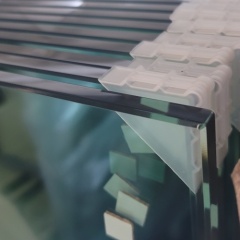
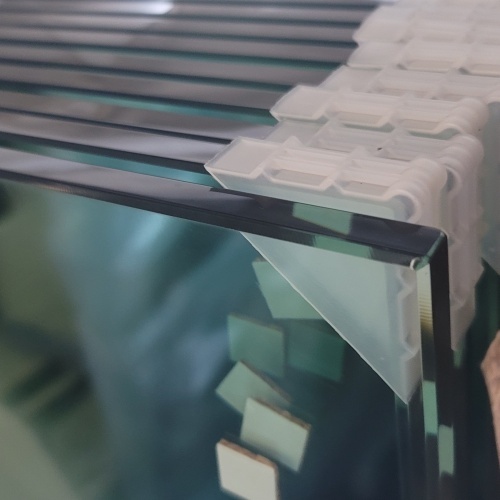
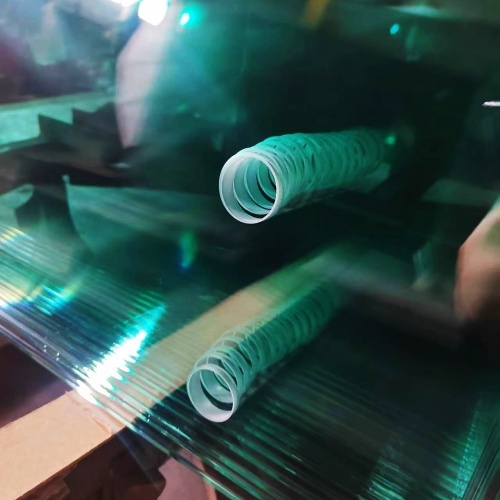
| 12mm Clear Tempered Glass | |
| Thick | 12mm |
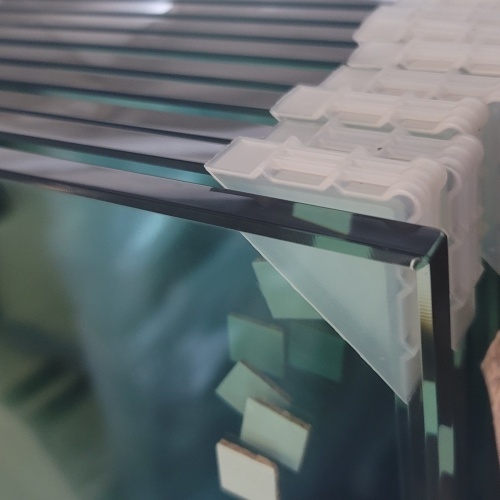
| Edge processing | Flat edge and Polished |
| Standard | CE EN 12150-2:2004 |
| ANSI Z97.1-2015(R2020) | |
| CAN/CGSB-12.1-2022 | |
| CPSC 16 CFR 1201-2024 | |
| Min Size | 100mm*100mm |
| Max Size | 3660mm*2440mm |
| Port of Loading | Xingang port |
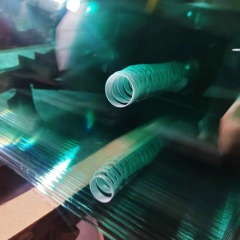
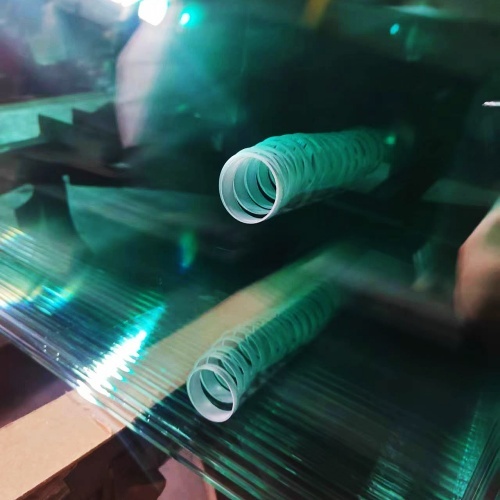
| Package | Plywood Crates,A-Steel Rack etc |
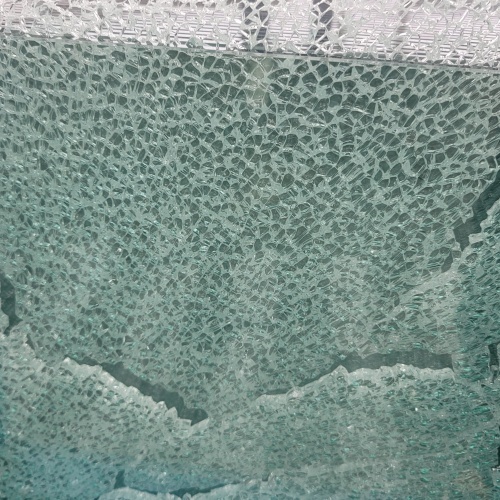
12 mm clear tempered glass is a fully tempered safety glass supplied at 12 mm thickness, roughly 1.2 cm, with the colour neutrality of clear float glass. Contractors, architects, fabricators, shopfitters and facilities teams specify it where a thinner pane would be the weak point in the detail: a shopfront that takes a trolley knock every week, a balustrade infill that should read as glass and nothing else, a full-height partition with no visible frame.
Clear here means genuinely clear. There is no tint, no coating and no texture, so daylight and interior colour come through unchanged, and the cut edge shows the faint green cast that a clear float glass edge always has. It is the finish to choose when the design should be about the space behind the glass rather than about the glass itself.
Compared with a 10 mm pane it is heavier and stiffer; compared with a 15 mm panel it is easier to handle and to frame. That makes it the practical choice for panels that are tall, wide or simply in the path of daily traffic, and it pairs with the usual architectural hardware - patch fittings, clamps, hinges, channels and setting blocks - provided those parts are rated for a panel of this mass.
We are a tempered glass supplier rather than a stockist, so the panel is produced to your drawing instead of being cut down from a shelf sheet. The size, the edge finish and every hole or cut-out are confirmed on the drawing before production starts, and the finished panel arrives ready for its frame.
Thickness
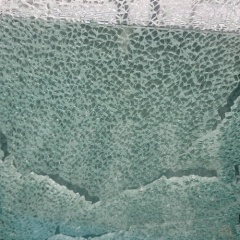
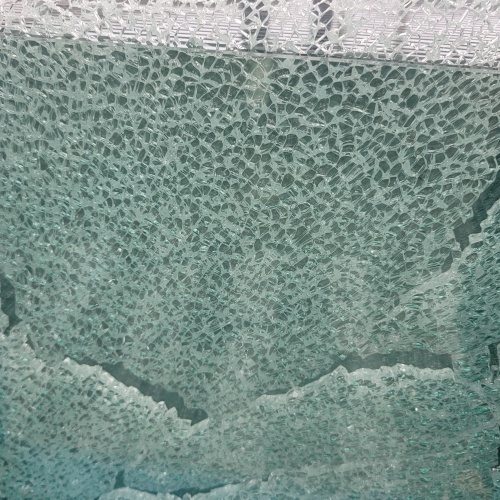
Twelve millimetres puts this at the heavy end of the everyday tempered range, and the buyer notices it as behaviour rather than as a figure. A panel this thick does not drum or flex when it is pushed, a full-height door keeps a straight edge as it swings, and the thicker arris reads as a deliberate architectural line rather than a thin divider - which matters most when the design is frameless and the edge is on show. Weight is the trade-off, and it is the reason frames, hinges and fixings for this panel have to be chosen for its mass rather than for a 6 mm or 8 mm pane. The skin freezes while the core is still hot, so as the core contracts it pulls the surface into compression and leaves the centre in tension. That locked balance is the whole point of tempering: it is what allows a 12 mm sheet to carry loads that would crack the same sheet in annealed glass. Tempering is also the last operation in the process, which is why a tempered panel cannot be cut, drilled, notched or edge-ground afterwards. Safety Tempered glass fails differently from ordinary glass. Instead of long sharp shards, a broken 12 mm panel releases into small, blunt fragments - the dense crazed pattern anyone who has seen a tempered breakage will recognise - so a failure in a shower, a shopfront or a partition leaves debris that is unlikely to cut. That breakage pattern is the reason safety codes accept tempered glass in pedestrian and wet locations at all, and the reason the panel is supplied and documented as a safety product rather than as an anonymous sheet. - High strength. The 12 mm thickness and the tempering cycle work together, so the panel takes impact and bending loads that would bow or crack a thinner sheet. Specify it where panels are tall, wide, unsupported on one edge, or simply in the path of trolleys, doors and cleaning equipment. - Safety features. Beyond the way it breaks, a tempered panel also resists the bending forces and thermal stress that cause most failures in service. In a high-stress position - a door leaf that is pushed all day, a partition in a busy corridor - that extra margin is worth more than the difference between one thickness and the next. - Aesthetic options. Clear is the standard finish and the one described here. Where a scheme needs privacy or a softer quality of light, the same tempered range covers frosted and tinted surfaces, so a project can mix clear glazing with a textured or tinted panel without changing supplier or specification language. - Versatile uses. One panel type works in a bathroom, an office, a shop, a hospital corridor and a piece of furniture. Using the same glass across a whole project keeps the appearance consistent and saves the coordination work of matching three different products on one site. - Thermal resistance. Sun on a facade, steam in a shower room, a hot lamp beside a table: a tempered panel tolerates temperature change far better than annealed glass, so glazing that sees daily swings is much less likely to crack from thermal shock than the same design built in ordinary glass.
Glass Railings and Balustrades
Balustrade infill panels sit between posts or in clamps along a stair, balcony or landing, and tempered glass plates at this thickness are stiff enough that the supports can be spaced for the design rather than for the glass. The result is an uninterrupted view line that shows no visible deflection when someone leans on it. Check the local code before the order is fixed: many jurisdictions call for a laminated build in balustrade and overhead positions, and where that applies we quote the laminated panel instead.
Glass Partitions
Full-height single panels give an office, clinic or studio a dividing wall that does not block the light. This glass carries the height without a mid rail, and door leaves can be cut from the same sheet so the wall and door read as one surface. Clear glass is not an acoustic barrier on its own - if speech privacy matters, plan a sealed frame or a laminated build rather than expecting the pane to do it.
Tabletops
Dining tables, coffee tables and console tops in 12 mm clear tempered glass get a polished edge and radiused corners, so the top is comfortable to lean on and safer around children. It shrugs off everyday knocks and wipes clean; use mats or coasters under hot dishes rather than setting a pan straight onto the surface.
Hutches and Cabinet Doors
Furniture makers use tempered glass at this thickness where a cabinet door should show what is inside without feeling fragile. The extra mass gives the door a solid swing, and it takes the hinges and catches a furniture door needs - provided the hinge is rated for the panel's weight rather than for a thin decorative pane. If you have specific questions or need help selecting glass for a particular project, feel free to ask.
| Thickness | 12 mm |
| Base glass | Clear float glass, fully tempered |
| Appearance | Clear and transparent, no tint or coating |
| Edge processing | Flat edge and Polished |
| Standards | CE EN 12150-2:2004; ANSI Z97.1-2015(R2020); CAN/CGSB-12.1-2022; CPSC 16 CFR 1201-2024 |
| Minimum panel size | 100 mm x 100 mm |
| Maximum panel size | 3660 mm x 2440 mm |
| Tempering | Heated above 600 °C (1112 °F), then rapidly cooled |
| Breakage behaviour | Small, blunt fragments on failure |
Flat Edge
A flat edge is ground square and smooth but left unpolished. It is the right choice when the perimeter goes into a frame, channel or gasket - a shopfront mullion, an aluminium door stile, a partition shoe - because the edge is covered and the polish would never be seen. Grinding removes the sharp arris left by cutting and gives the frame a consistent surface to sit against. Polished Edge A polished edge is ground and then polished to a clean, rounded profile. Specify it wherever the edge is exposed: a frameless door leaf, a balustrade top rail, a tabletop, a shelf. It is comfortable to handle and to walk past, it catches light as a bright line instead of a dull grey one, and it is far less likely to chip if something knocks the perimeter. State the finished size on the drawing rather than the opening size, and say which edges are exposed and which are hidden - flat and polished finishes can be combined on one panel. Holes and Cut-outs Hinge holes, handle cut-outs, clamping slots, corner radii and notches are all drilled or cut before the panel is tempered, and every position needs to be dimensioned from a stated datum so the holes line up on site. Where a project uses custom tempered glass panels in mirrored pairs, mark left and right on the drawing; a handed pair is easy to make and expensive to find at installation.
LYD GLASS manufactures and exports glass for project buyers, fabricators and contractors who prefer to buy direct from a production source. Everything we supply is made to order: send drawings, sizes, quantities and finishing requirements, and we return a factory quotation against them. Panels are packed for export in plywood crates or A-Steel racks and protected for sea freight. We work to your delivery schedule, support repeat orders and answer specification questions before production starts. Send your requirements for a quote.
Both are fully tempered safety glass and both break safely; the difference is stiffness and mass. At 12 mm the panel is noticeably heavier and much harder to flex, which is what you want on a tall door, a wide unsupported pane, or anywhere the glass is likely to be pushed - a tempered glass shower door being the classic case. A 10 mm pane is perfectly serviceable inside a frame that supports it and is lighter to hang. If the design is frameless, or the opening is wider than a normal door leaf, step up to 12 mm and make sure the hinges are rated for the heavier leaf.
Not on its own. This is a single clear pane, so it transmits daylight, solar heat and sound much as ordinary glass does; its job is strength and safety, not solar control or insulation. If a project needs to cut glare or solar gain, a grey-tinted tempered glass is the simpler route. If it needs thermal insulation or real acoustic separation, an insulated glass unit or a laminated build is the right specification. Tell us which of those the project actually needs and we will quote the matching product instead of over-specifying this one.
The green cast comes from the iron present in ordinary float glass and shows most strongly when you look along the thickness of the pane, which is why it is obvious on a 12 mm edge and invisible across the face. It is normal for clear glass and not a defect. On a polished edge it reads as a fine bright line; on a flat edge it is slightly duller. If edge colour matters to the scheme, mention it at enquiry so the base glass can be discussed before the order is fixed.
Yes, and the safest route is to work from the opening and from the old panel rather than from the original order paperwork. Send the internal dimensions of the frame, the thickness of the existing glass and photographs of the edge and any holes; for an irregular opening a template or a dimensioned sketch is better than a list of numbers. We then cut custom tempered glass panels to those dimensions with the same edge finish, so the new leaf matches the hardware already on site.
Marking can be arranged so panels are identifiable on site and in the finished installation. Tell your sales contact what has to appear, where it should sit on the panel and whether it needs to be permanent or removable, and it will be allowed for on the drawing before production. Keep the mark clear of hinges, seals and any area the frame will cover.