| 10mm Clear Tempered Glass | |
| Thick | 10mm |
| Edge processing | Flat edge and Polished |
| Standard | CE EN 12150-2:2004 |
| ANSI Z97.1-2015(R2020) | |
| CAN/CGSB-12.1-2022 | |
| CPSC 16 CFR 1201-2024 | |
| Min Size | 100mm*100mm |
| Max Size | 3660mm*2440mm |
| Port of Loading | Xingang port |
| Package | Plywood Crates,A-Steel Rack etc |
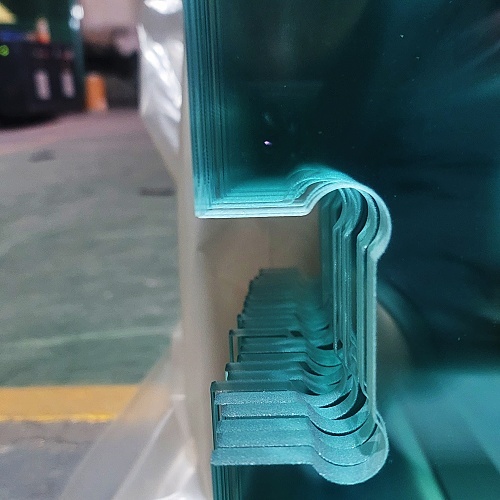
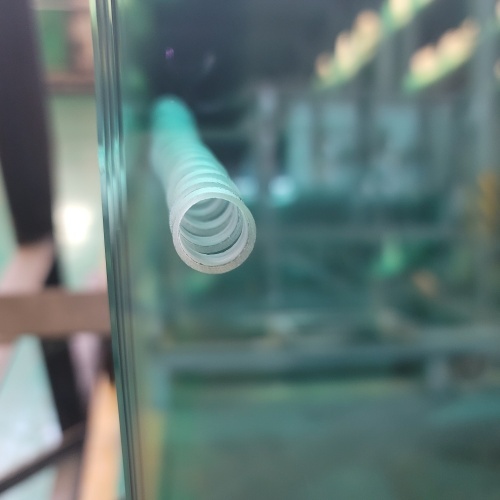

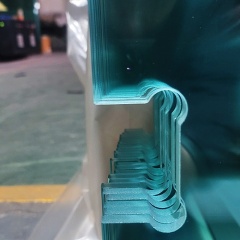
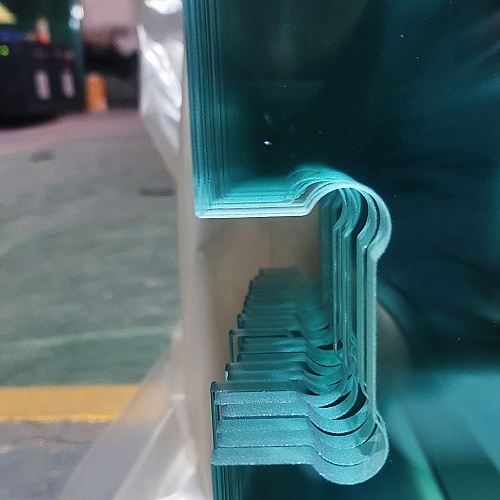
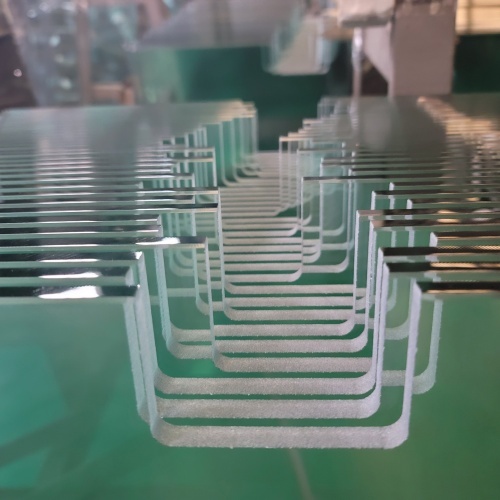
Every panel of 10 mm clear tempered glass begins as a drawing rather than a shelf sheet. Production runs from a 100 × 100 mm infill up to a 3660 × 2440 mm full-height panel, so one order can carry a door leaf, a fixed screen and the small pieces around them without anyone having to re-specify the glass in between. The base is clear float glass, thermally tempered, with edges finished flat or polished exactly as the drawing shows.
Clear glass leaves the design to the space behind it. Daylight, sightlines and interior colour come through unchanged, and the panel reads only as a frame line or a bright edge where light catches it. That is why this thickness sits so often in office fronts, bathroom screens, commercial fit-outs and residential doors, where strength and safety have to work behind a quiet appearance.
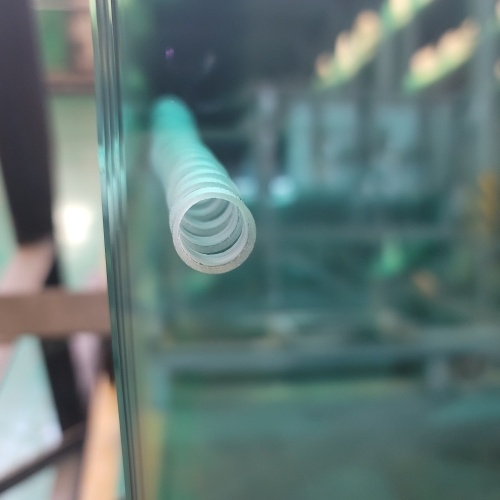
We produce it as a tempered glass supplier working to project drawings: sheet size, edge treatment and every hole are settled before tempering, and the finished panel arrives ready for its frame. Send the panel list with quantities and we will price it against the drawing.
A single tempered pane has no post-break integrity. It breaks safely, but it does not stay in its frame, so overhead glazing, balustrades in some jurisdictions and security glazing are usually specified as laminated glass or a laminated make-up with tempered panes. If the position has to stay closed after impact, say so when you enquire and we will price the laminated build for that part.
Chipped edges are the other limit worth knowing. A knock to an edge or corner during handling is where a later break can begin, sometimes weeks after the damage, and it cannot be ground out on site because the panel is already tempered. Corner protection and upright storage do more for the life of the glass than any repair.
This pane is also a strength and safety specification, not a performance coating. It does not cut solar gain, glare or sound by itself; a tinted tempered glass, an insulated unit or a laminated build answers those needs. A tempered glass shower door or an interior screen rarely asks for more than this, and where a long span or heavy traffic calls for a thicker leaf, 12 mm and 15 mm are produced to the same drawing workflow.
| Property | Detail |
|---|---|
| Model | LYD-CTG10 |
| Thickness | 10 mm |
| Base glass | Clear float glass, thermally tempered |
| Edge processing | Flat edge and Polished |
| Standards | CE EN 12150-2:2004; ANSI Z97.1-2015(R2020); CAN/CGSB-12.1-2022; CPSC 16 CFR 1201-2024 |
| Minimum panel | 100 mm × 100 mm |
| Maximum panel | 3660 mm × 2440 mm |
| Behaviour on breakage | Small, blunt-edged fragments |
| Panel size | Area | Approximate weight |
| Per square metre | 1.00 m² | about 25 kg |
| 1000 × 2100 mm | 2.10 m² | about 53 kg |
| 1200 × 2400 mm | 2.88 m² | about 72 kg |
| 1500 × 2700 mm | 4.05 m² | about 101 kg |
| 2000 × 3000 mm | 6.00 m² | about 150 kg |
| 2440 × 3660 mm | 8.93 m² | about 223 kg |
LYD GLASS manufactures and exports glass for project buyers, fabricators and contractors who prefer to buy direct from a production source. Everything we supply is made to order: send drawings, sizes, quantities and finishing requirements, and we return a factory quotation against them. Panels are packed for export in plywood crates or A-Steel racks and protected for sea freight. We work to your delivery schedule, support repeat orders and answer specification questions before production starts. Send your requirements for a quote.
Tempered glass is a safety material because of how it fails, not only because of how much load it carries. Where annealed glass breaks into long, sharp shards, this glass releases into small, blunt-edged fragments once its stress balance is exceeded — the difference between a break that can be swept up and one that needs a first-aid kit. That behaviour is the reason safety codes accept it in doors, screens and wet locations at all. Before packing, each panel is checked against the approved drawing: size, edge quality, chips, scratches and bow. Tell us which market the glass is going into and we will match the standard and the paperwork your inspector expects. As a tempered glass supplier we would rather settle that at quotation stage than have a certificate questioned on site. Certificates of analysis or conformance, the packing list and the export documents can travel with the shipment.
Panels run from 100 mm × 100 mm up to 3660 mm × 2440 mm, so a small infill and a full-height leaf can come off the same production run. The maximum is a sheet limit, not a handling recommendation: a panel close to 3660 × 2440 mm weighs around 223 kg and needs lifting gear and a route planned before it reaches site. Anything outside the range is worth raising before the drawing is issued.
About 25 kg per square metre, so a 1200 × 2400 mm leaf is roughly 72 kg and a full sheet is over 200 kg. The weight sits with the hardware: hinges, clamps, spiders and shoe channels must be rated for the panel they carry and fixed into structure rather than into a finish. If you are replacing thinner glass in an existing frame, check the frame and fittings can take the extra mass before the drawing is approved.
It is produced to CE EN 12150-2:2004, and we also supply to ANSI Z97.1-2015(R2020), CAN/CGSB-12.1-2022 and CPSC 16 CFR 1201-2024 for North American projects. The standard is matched to the market the glass is going into, and certificates of analysis or conformance can be issued with the shipment. Tell us at enquiry which market and which code the inspector will check against.
Yes, and it is common: edges that stay visible take a polish, while edges that sit inside a frame, channel or clamp are left flat. Mark the exposed edges on the drawing, because the finish is decided before tempering and cannot be changed afterwards. A polished edge also handles better and chips less readily on a panel that is moved on and off site.
Set the panel aside rather than fit it. A chip at an edge or corner is where a tempered panel can fail later, sometimes without any further impact, and the damage cannot be ground out on site because the glass is already tempered. Photograph the damage, quote the panel reference from the drawing and order a replacement; leaving corner protection on until the moment of installation prevents most of these knocks.
Often not. Balustrade and overhead positions in many jurisdictions must keep the glass in place after impact, which a single tempered pane cannot do — it breaks safely but leaves the opening. Those positions are normally specified as laminated glass or a laminated make-up with tempered panes, and if you tell us the position at enquiry we will quote the laminated build for that part instead.